
The transformation of casinos tracing their historical evolution through time
The Origins of Gambling and Early Casinos
The concept of gambling dates back thousands of years, with evidence found in ancient China, where rudimentary games of chance were played as early as 2300 BC. These games often involved the use of tiles and rudimentary dice, highlighting humanity’s intrinsic attraction to risk-taking and chance. Similarly, in ancient Rome, people engaged in betting on gladiatorial contests and chariot races, setting the foundation for organized gambling activities in society, including the modern Slotshopper casino.

As societies evolved, so too did the environments in which gambling thrived. By the 17th century, the first official gambling houses, known as casinos, emerged in Venice, Italy. These establishments provided a structured environment for people to enjoy various gambling games, ranging from dice to card games. The term “casino” originally referred to a small villa or summerhouse where recreational activities took place, eventually evolving into a space primarily designated for gambling.
The proliferation of casinos in Europe was closely linked to the rise of the aristocracy and their need for entertainment. The luxurious ambiance of these venues attracted wealthy patrons looking for a chance to gamble and socialize. By the 19th century, casinos became synonymous with high society, particularly in cities like Monte Carlo, where the opulence of the venues matched the grandeur of the games being played.
The Rise of Modern Casinos in the 20th Century
The early 20th century marked a significant turning point in the evolution of casinos. With the establishment of Las Vegas as a gambling hub in the 1930s, the casino experience began to shift dramatically. The legalization of gambling in Nevada opened the floodgates for investment and development, leading to the construction of extravagant casinos that offered not just games but entertainment, dining, and lavish accommodations. This transformed the perception of casinos into multifaceted resorts.
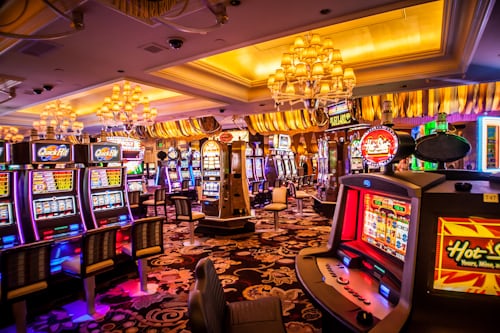
During this period, casinos also started to incorporate more modern games and technologies, such as slot machines and electronic gaming devices, which appealed to a broader audience. The introduction of the “casino resort” model signified a departure from the traditional, more somber gambling halls, embracing a vibrant atmosphere filled with shows, concerts, and fine dining options. This not only attracted gamblers but also families and tourists seeking entertainment.
The casino industry continued to innovate in the latter half of the 20th century, with developments like themed casinos and world-class entertainment acts. The rise of mega-casinos, particularly in Las Vegas, became landmarks of modern architecture and design. These establishments provided an immersive experience that combined gambling with a wide array of attractions, thus redefining the role of casinos in popular culture.
The Impact of Technology on Casinos
The advent of the internet in the late 20th century heralded a new era for the casino industry. Online casinos began to emerge in the 1990s, allowing players to access their favorite games from the comfort of their homes. This digital transformation made gambling more accessible, with a vast array of options available at players’ fingertips. The convenience of online gaming appealed to many, leading to a surge in popularity and participation.
Furthermore, advancements in technology have allowed online casinos to offer an expansive selection of games that rival traditional casinos. From video slots to live dealer games, online platforms can cater to diverse tastes and preferences. The integration of cutting-edge graphics and immersive gameplay has transformed the online gaming experience, attracting a younger demographic that values technology and convenience.
Mobile gaming has further revolutionized the industry, enabling users to gamble on the go. With smartphones now ubiquitous, players can enjoy their favorite games anytime, anywhere. This has led to the development of mobile apps and optimized websites, ensuring a seamless experience for users. The focus on user experience has become paramount, as casinos strive to retain players in an increasingly competitive market.
The Regulation and Safety of Casinos
As the casino industry has evolved, so too has the necessity for regulation and oversight. Governments around the world have recognized the importance of ensuring safe gambling practices and protecting consumers. This has led to the establishment of regulatory bodies that monitor casino operations, enforce fair play, and combat issues related to gambling addiction. The implementation of responsible gambling measures is crucial in maintaining a sustainable casino environment.
Licensing is a vital component of ensuring that casinos operate legally and ethically. Online casinos, in particular, must adhere to strict regulations to maintain their licenses, which often require regular audits and compliance with established standards. This oversight helps safeguard players against fraudulent practices and ensures that winnings are paid out fairly.
The focus on security has also intensified with the rise of online gambling. Players are now more concerned than ever about the safety of their personal and financial information. Casinos have responded by employing advanced encryption technologies and secure payment methods, providing players with peace of mind as they engage in their gaming activities. This commitment to security is essential for building trust and ensuring long-term success in the industry.
The Future of Casinos in a Changing Landscape
The future of casinos seems to be a blend of tradition and innovation. As the landscape continues to evolve, casinos are likely to embrace new technologies, including virtual reality and artificial intelligence, to enhance the gaming experience. Virtual reality gaming could provide players with immersive environments that mimic the thrill of being in a physical casino, thus bridging the gap between online and in-person gambling.
Moreover, the integration of social gaming features is anticipated to grow, as players increasingly seek community and interaction while gambling. Social elements, such as multiplayer games and interactive platforms, can create a more engaging experience, drawing in both new and seasoned players. This shift could lead to a more communal atmosphere, further enhancing the social aspect of gambling.
As regulations continue to adapt to new technologies, the casino industry will likely face both opportunities and challenges. The balance between innovation and responsible gambling practices will be key in ensuring sustainable growth. Casinos must remain vigilant in addressing potential issues while continuing to offer an exciting and safe environment for players.
Exploring Slots Hopper: A Modern Gaming Experience
Slots Hopper embodies the evolution of casinos by providing an exhilarating online gaming experience for players today. Launched in 2025 under an Anjouan Gaming License, this platform offers a vast library of over 13,000 slots, live tables, and unique gaming options, catering to diverse interests and preferences. The extensive selection is designed to engage players, whether they are casual gamers or seasoned enthusiasts.
New users can take advantage of generous promotional offers, including a Welcome Casino Package that rewards players with up to €10,000 and 1,000 free spins across their initial deposits. Such incentives not only attract new players but also foster loyalty among existing users. The commitment to providing a rewarding experience demonstrates the importance of customer satisfaction in the competitive online gaming landscape.
Additionally, Slots Hopper prioritizes security and user experience, employing stringent encryption protocols and secure payment options to protect player information. Responsive customer support ensures that players have access to assistance whenever needed. By merging cutting-edge technology with a user-centered approach, Slots Hopper stands as a testament to the ongoing transformation of casinos in the digital age, embracing the future while honoring the rich history of gambling.
